
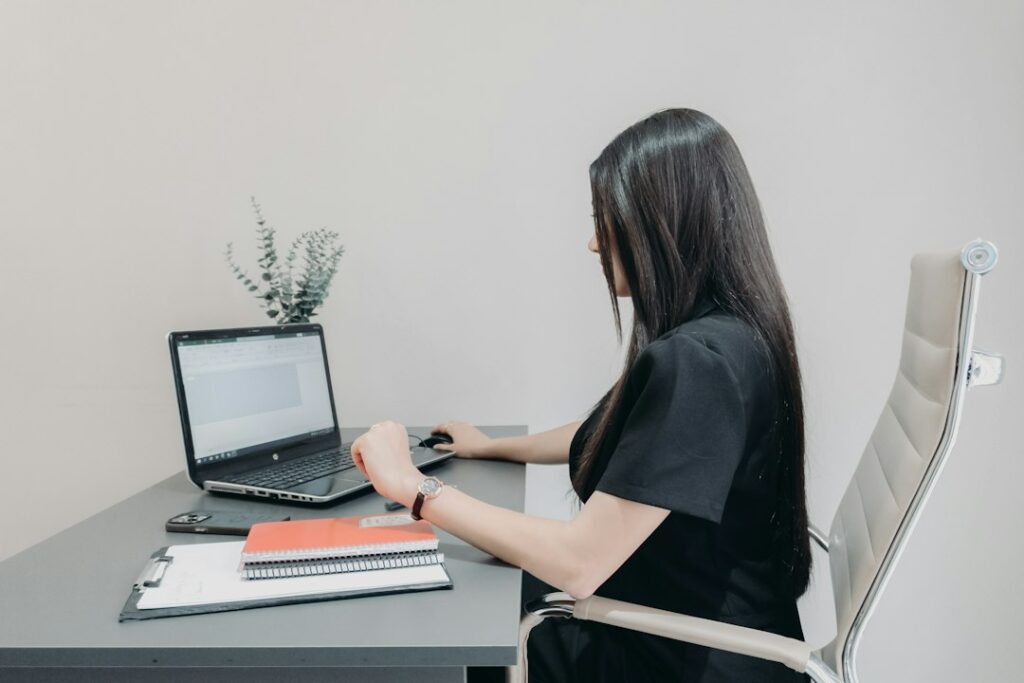
Poor posture is more than an appearance issue. Repeated slouching, forward-head positioning, uneven standing, or prolonged sitting can increase strain on the muscles and joints, contribute to pain, limit movement, and make ordinary activities more tiring.
For residents of Buffalo, NY, posture problems may become especially noticeable during long indoor seasons, extended computer use, driving, household tasks, or periods of reduced outdoor activity. The goal is not to hold the body rigidly upright all day. Healthy posture is generally comfortable, supported, and changeable.
What does poor posture do to the body?
Poor posture changes how weight and force are distributed through the spine, shoulders, hips, and legs. When the head moves forward, for example, the muscles at the back of the neck and upper shoulders may work continuously to support it. When the lower back rounds for long periods, the surrounding muscles and joints may become fatigued or irritated.
Common effects can include:
- Neck stiffness or aching
- Upper-back and shoulder tension
- Low-back discomfort
- Headaches related to muscle tension
- Reduced flexibility
- Increased fatigue while sitting or standing
- Tingling or discomfort in the arms or hands when nerves are irritated
- Difficulty maintaining balance or an efficient walking pattern
Posture is only one factor in pain. Injury, arthritis, muscle weakness, stress, sleep quality, physical activity, and medical conditions can also contribute. Poor posture should not automatically be treated as the sole cause of a symptom.
Can poor posture cause back and neck pain?
It can contribute to pain, particularly when an awkward position is held for a long time or repeated throughout the day. Slumping on a couch, leaning toward a laptop, looking down at a phone, or standing with most weight shifted onto one leg can place sustained demand on certain tissues.
The problem is often not a single posture but a posture that becomes fixed. Even a relatively neutral position can become uncomfortable if a person remains still for hours. Muscles need changes in length, movement, and blood flow. Regular position changes may be more useful than trying to maintain a “perfect” sitting position.
Neck discomfort associated with device use is sometimes called “text neck,” but the underlying issue is usually prolonged forward bending rather than the device itself. Raising the screen, bringing the arms closer to the body, and taking movement breaks can reduce the duration of that strain.
How can posture affect breathing, energy, and movement?
A collapsed sitting position can limit comfortable expansion of the rib cage and make breathing feel more restricted, especially during effort. This does not mean poor posture directly causes lung disease. It means that a compressed position may make breathing mechanics less efficient for some people.
Posture can also affect energy use. When the head, trunk, or pelvis is poorly supported, muscles may remain active to prevent loss of balance. That extra effort can contribute to fatigue during desk work, standing tasks, or commuting.
Over time, guarded or stiff movement may reduce activity. A person who expects bending, walking, or turning to be uncomfortable may move less, which can lead to further weakness and reduced tolerance for daily activities. This cycle can occur during winter when people spend more time indoors and may have fewer opportunities for walking or outdoor recreation.
Is there one correct posture?
No. Bodies differ, and a posture that feels comfortable for one person may not suit another. Healthy posture is better understood as a range of positions that allow the spine and joints to remain supported while the body moves freely.
Useful principles include:
- Keep the head generally balanced over the shoulders rather than pushed forward.
- Let the shoulders relax instead of forcing them sharply backward.
- Support the lower back without creating an exaggerated arch.
- Keep frequently used objects close enough to avoid repeated reaching or twisting.
- Allow the feet to rest fully on the floor or on a stable footrest.
- Change positions regularly instead of trying to stay perfectly still.
- Use movement, not stiffness, to maintain comfort.
A person does not need to sit upright at a strict ninety-degree angle at all times. Slight reclining, standing, walking, and supported sitting can all be reasonable positions when they are comfortable and varied.
How should a home or work workstation be arranged?
A workstation should fit the person and the task. For computer use, the top of the monitor should be at or slightly below eye level, with the screen directly in front of the user. The keyboard and mouse should be close enough that the elbows can remain near the body and the wrists stay relatively straight.
The chair should support the lower back and allow the feet to rest on the floor. If a laptop is used for long periods, raising the screen while using a separate keyboard and pointing device can reduce the need to bend the neck.
Buffalo households may also use dining tables, couches, kitchen counters, or temporary work areas during extended periods indoors. These arrangements can work for short tasks, but they often encourage rounded backs, unsupported feet, and forward head positioning when used for several hours. A small adjustment, such as adding back support or placing the screen higher, may make the position more sustainable.
What posture habits are helpful during the day?

The most practical strategy is to interrupt long periods of stillness. A brief walk through the home, a few shoulder movements, standing during a phone call, or changing the chair position can reduce the effects of static posture.
Helpful habits include:
- Stand or walk for a few minutes at regular intervals.
- Move the neck, shoulders, wrists, hips, and ankles gently through comfortable ranges.
- Alternate sitting tasks with standing or walking tasks.
- Avoid holding the phone between the ear and shoulder.
- Keep reading material near eye level rather than repeatedly bending the neck.
- Carry bags evenly when possible and avoid prolonged one-sided loading.
- Adjust the seat and steering-wheel position before longer drives.
- Use supportive footwear for extended standing when needed.
Stretching may relieve temporary tightness, but it should not be forced into pain. Strengthening the muscles of the legs, trunk, upper back, and shoulders can also improve tolerance for daily activities.
When should posture-related pain be evaluated?
Occasional stiffness after prolonged sitting is common, but symptoms deserve medical attention when they are severe, persistent, worsening, or interfering with sleep and normal activities.
Prompt evaluation is especially important for back or neck pain accompanied by:
- New weakness in an arm or leg
- Loss of bladder or bowel control
- Numbness around the groin or inner thighs
- Fever, unexplained weight loss, or significant illness
- Severe pain after a fall, collision, or other injury
- Chest pain, shortness of breath, fainting, or unusual sweating
- Persistent numbness or tingling
Posture changes may help reduce mechanical strain, but they cannot explain every symptom. A careful assessment is appropriate when pain does not improve with ordinary movement, rest, and reasonable changes to daily positioning.
How should posture improvement be approached?
Posture usually improves through small, repeatable changes rather than constant self-correction. Notice when discomfort appears, identify which activity preceded it, and adjust the environment or movement pattern. A comfortable workstation, regular position changes, general physical activity, and adequate recovery are often more useful than trying to force the body into one ideal shape.
