
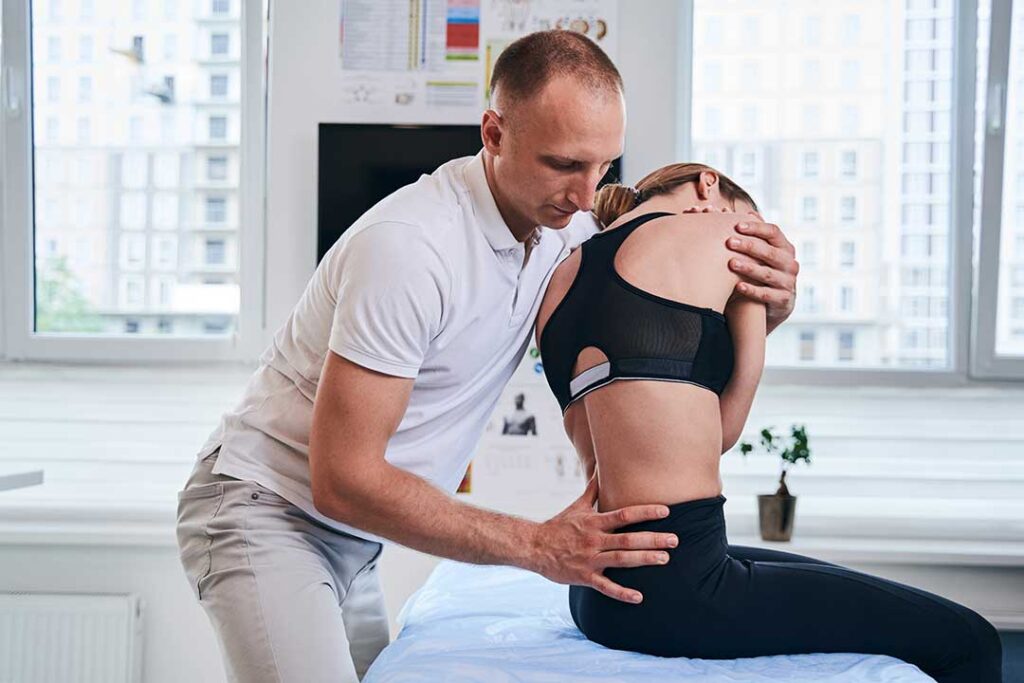
Pregnancy can bring low-back, pelvic, hip, and upper-back discomfort as the body adapts to changes in posture, weight distribution, muscles, and ligaments. For some people, gentle manual treatment may be considered. However, an adjustment during pregnancy is not automatically appropriate for everyone, and safety depends on the individual’s health, symptoms, pregnancy history, and the technique used.
The short answer is: some pregnant patients may be able to receive carefully modified spinal or pelvic care, but it should be discussed with the prenatal care provider first and performed only after a proper health assessment.
Is it generally safe to be adjusted during pregnancy?
For an uncomplicated pregnancy, some forms of manual therapy may be used for musculoskeletal pain, but the research is limited and does not establish that every type of adjustment is safe in every situation. A systematic review found relatively few reported adverse events during pregnancy, with minor, temporary symptoms described most often; however, the authors also emphasized that the available evidence is limited. ([pubmed.ncbi.nlm.nih.gov](https://pubmed.ncbi.nlm.nih.gov/34035539/?utm_source=openai))
Another review concluded that the safety evidence is difficult to interpret because studies do not consistently describe the techniques used, the body region treated, or how adverse events were recorded. That means “chiropractic adjustment” is not a single standardized procedure, and safety cannot be judged without knowing exactly what is being proposed. ([pubmed.ncbi.nlm.nih.gov](https://pubmed.ncbi.nlm.nih.gov/36047253/?utm_source=openai))
Pregnancy itself is not necessarily a reason to avoid all hands-on care. It is a reason to use more careful screening, gentler positioning, and pregnancy-appropriate techniques.
What symptoms might lead someone to consider care?
Pregnancy-related back pain is common, particularly later in pregnancy. The growing uterus shifts the center of gravity, abdominal muscles stretch, and hormonal changes can make pelvic ligaments more flexible. These factors may increase strain on the back and pelvic joints. ([acog.org](https://www.acog.org/womens-health/faqs/back-pain-during-pregnancy?utm_source=openai))
A pregnant person might ask about manual treatment for:
- Aching in the lower back
- Pelvic or sacroiliac discomfort
- Hip pain related to altered walking or sleeping positions
- Muscle tightness in the upper back
- Pain that worsens after standing, lifting, or changing position
Manual care is only one possible option. Activity modification, pregnancy-appropriate exercise, physical therapy, supportive clothing, pillows, and heat or cold may also help, depending on the cause of the pain. The American College of Obstetricians and Gynecologists recommends attention to posture, supportive footwear, positioning during sleep, and carefully limited heat or cold for pregnancy-related back discomfort. ([acog.org](https://www.acog.org/womens-health/faqs/back-pain-during-pregnancy?utm_source=openai))
In Buffalo, seasonal conditions can add practical challenges. Winter ice, uneven sidewalks, snow removal, and slipping hazards can contribute to strains or falls, while long periods indoors may reduce regular movement. A new symptom after a fall should not be assumed to be ordinary pregnancy-related soreness.
What should be different about an adjustment during pregnancy?
Pregnancy changes how a person should be positioned and treated. A careful approach may involve:
- Reviewing the stage of pregnancy and any pregnancy-related complications
- Avoiding unnecessary pressure on the abdomen
- Using side-lying, supported, or otherwise pregnancy-appropriate positioning
- Modifying force, speed, range of motion, and body regions treated
- Avoiding techniques that cause pain, dizziness, shortness of breath, or abdominal discomfort
- Reassessing symptoms rather than repeating the same procedure automatically
The term “adjustment” can describe different techniques, ranging from low-force mobilization to faster thrust manipulation. A patient has a reasonable basis for asking what technique will be used, what body area will be treated, what risks are known, and what alternatives exist.
Neck manipulation deserves particular caution because serious complications involving blood vessels, although uncommon, have been reported in the broader spinal-manipulation literature. Pregnancy does not make neck treatment automatically unsafe, but the reason for treatment and the proposed technique should be evaluated carefully rather than treated as routine. ([pubmed.ncbi.nlm.nih.gov](https://pubmed.ncbi.nlm.nih.gov/17606755/?utm_source=openai))
When should an adjustment be postponed or avoided?
A routine musculoskeletal appointment is not the right first step for unexplained or potentially urgent symptoms. The prenatal care provider should be involved before treatment when there is:
- Vaginal bleeding or fluid leakage
- Regular contractions or a concern about preterm labor
- Severe, sudden, or worsening abdominal or back pain
- Fever, chills, burning urination, or other signs of infection
- New leg weakness, loss of bowel or bladder control, or numbness in the groin area
- Significant swelling, severe headache, vision changes, chest pain, or shortness of breath
- A recent fall, collision, or other trauma
- A high-risk pregnancy or a known complication affecting the placenta, cervix, blood pressure, or bleeding risk

Back pain can occasionally signal a condition other than a strained muscle. ACOG advises contacting an obstetric care provider for severe back pain or pain lasting more than two weeks, and notes that back pain can sometimes occur with urinary infection or preterm labor. ([acog.org](https://www.acog.org/womens-health/faqs/back-pain-during-pregnancy?utm_source=openai))
Does an adjustment help with labor, breech position, or pregnancy complications?
Claims that spinal or pelvic adjustments can reliably turn a breech baby, prevent complications, shorten labor, or replace obstetric care are not supported by strong evidence. Treatment aimed at comfort or mobility should not be presented as a way to manage a pregnancy complication.
A review of spinal manipulative therapy during pregnancy found limited evidence for reducing pregnancy-related back pain and described the research as emerging rather than conclusive. ([pubmed.ncbi.nlm.nih.gov](https://pubmed.ncbi.nlm.nih.gov/19445815/?utm_source=openai))
This distinction matters. Relief of muscle or joint discomfort is different from treating the fetus, placenta, cervix, blood pressure, or labor process.
What questions should a pregnant patient ask first?
Before receiving care, useful questions include:
- Is this technique specifically modified for pregnancy?
- What position will be used?
- Will the abdomen be protected from pressure?
- Are there reasons this treatment should be postponed?
- What symptoms should lead to stopping treatment?
- Has the prenatal care provider’s guidance been considered?
- What non-manual options could be tried first?
A complete health history should include the estimated stage of pregnancy, prior pregnancy complications, medications, recent falls, and symptoms that may require medical evaluation. Consent should be specific and ongoing; a patient can stop treatment at any time if something feels uncomfortable or concerning.
What is the practical takeaway?
For many people with uncomplicated pregnancies, carefully selected and modified manual care may be considered for ordinary back or pelvic discomfort. The evidence does not support treating every adjustment as automatically harmless, and it does not support using spinal care as a substitute for prenatal evaluation.
The safest approach is coordinated care: identify whether the pain is musculoskeletal, rule out warning signs, use pregnancy-appropriate positioning and force, and stop when symptoms are unusual or worsening. Anyone in Buffalo with new, severe, persistent, or unexplained pain should prioritize assessment by the prenatal care provider before pursuing an adjustment.
