
What Is a Herniated Disc?
A herniated disc occurs when the soft inner material of a spinal disc bulges or leaks out through the tougher outer layer. This can cause pressure on nearby nerves, leading to symptoms like pain, numbness, or tingling. Discs act as cushions between the bones of the spine, and disc problems are a common cause of back or neck pain—especially in adults aged 30-60.
Why Do Herniated Discs Happen?
Sudden injuries, repetitive strain (like heavy lifting or awkward twisting), and age-related wear and tear can all contribute to disc herniation. In Buffalo, people working in construction, health care, or jobs involving manual labor may see higher risk, but herniated discs can affect anyone—including those with sedentary lifestyles.
- Cold, icy winters can mean more slips or falls on walkways, which sometimes cause back injuries.
- Shoveling snow improperly or sudden lifting during seasonal chores can also increase risk.
- Poor posture during long periods at a desk or while driving can gradually stress spinal discs.
How Do Herniated Discs Feel?
Symptoms aren’t the same for everyone. Some residents feel only mild discomfort, while others have sharp pain, weakness, or numbness extending into arms or legs.
- Lower back discs may cause pain radiating into the leg (sciatica).
- Discs in the neck may affect the shoulder, arm, or hand.
- Sneezing, coughing, or certain movements might worsen symptoms.
If symptoms include loss of bladder or bowel control, or severe numbness in the saddle area, this can signal a medical emergency.
Can Herniated Discs Heal Without Surgery?
Most herniated discs improve with conservative management. Surgery is usually only considered when symptoms are severe or not improving over several weeks.
Local options for conservative care include:
- Modified physical activity to allow healing
- Targeted stretching and exercise programs
- Use of cold or heat packs for pain relief
- Over-the-counter pain medication, guided by a healthcare provider’s advice
Some residents mistakenly believe surgery is inevitable after a herniated disc, but research and clinical guidelines recommend starting with non-surgical approaches.
What Role Does Chiropractic Care Play?
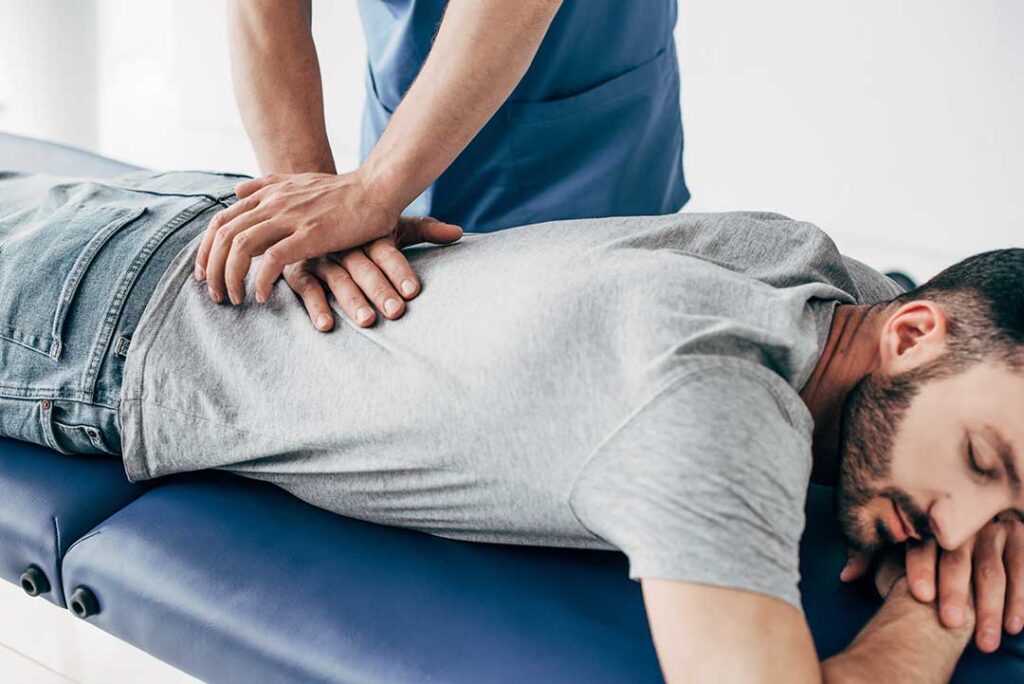
Chiropractic care can be one part of a non-surgical management plan for herniated discs, especially for individuals whose symptoms are stable and who have no indications of nerve damage that require emergency intervention.
Chiropractors assess spinal alignment and movement to identify restrictions or altered mechanics that may contribute to discomfort. Care plans may include:
- Gentle, controlled adjustments or mobilizations
- Advice on posture, body mechanics, and self-care
- Specific exercise or stretching guidance tailored to local living routines, such as activities common during winter months
Evidence suggests some patients find relief for mild to moderate symptoms through chiropractic care as part of a broader plan—including physical therapy or supervised exercise.
Are Chiropractic Adjustments Safe for Herniated Discs?
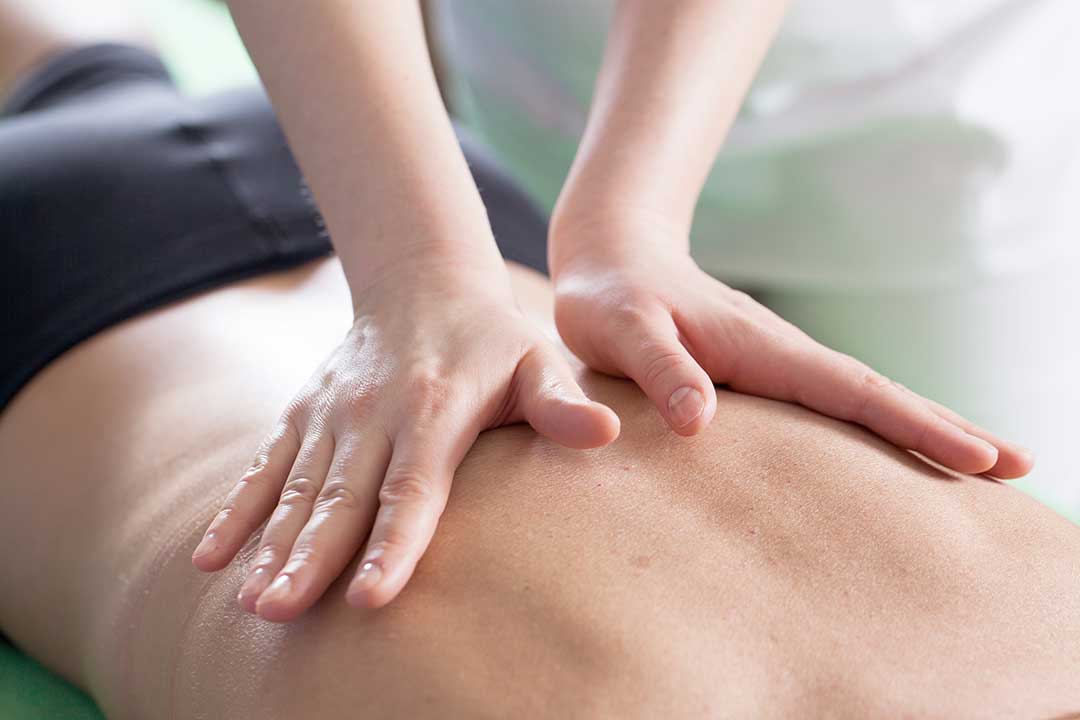
Safety is a common concern. For people with herniated discs, chiropractors use gentle, modified techniques. Direct, forceful manipulation is usually avoided at the site of the herniation. Assessment before any treatment helps rule out cases needing specialist medical evaluation instead, such as those with significant nerve loss or clinical findings like foot drop.
Care providers in the city often work in collaboration with local physicians or physical therapists to ensure safe and coordinated care. Residents should expect thorough screening and an evidence-based approach.
What Are Common Myths or Misunderstandings?
Several misconceptions circulate in the community:
- All back pain means a herniated disc—most back pain is not disc-related.
- Bedrest is required—actually, staying active is generally better for recovery.
- Spinal manipulation always “fixes” herniated discs—results vary, and care is individualized.
- Cold weather alone does not cause herniated discs, but slips and falls are more common during icy conditions.
When Should Residents Seek Additional Medical Care?
Immediate medical attention is needed if symptoms include:
- Loss of bladder or bowel control
- Sudden, severe weakness or numbness in the leg or arm
- Signs of infection with back pain (fever, chills)
- Symptoms worsening after a fall or injury
Most other cases can be discussed with a chiropractor or primary care provider for initial evaluation.
Tips for Managing and Preventing Disc Problems in Buffalo
Residents can take several practical steps year-round to protect disc health:
- Use proper body mechanics when shoveling snow or lifting heavy objects
- Address icy sidewalks promptly to reduce fall risk
- Alternate positions and stand up regularly during long periods of sitting, such as remote workdays
- Stay active with gentle movement, walking, or stretching—even in winter months
Awareness of how local habits and seasonal challenges impact spinal health helps area households make informed choices for comfort and mobility.
