
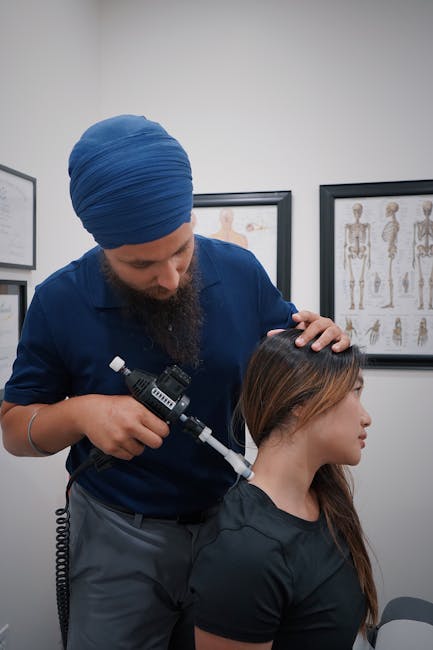
Neck pain is a common complaint among adults and even teenagers, especially in today's high-tech, fast-paced world. In Buffalo, New York, where our climate and community activities provide unique challenges and opportunities for spinal health, it’s important to recognize what leads to neck pain and how you can take proactive steps to prevent it. Whether you’re shoveling snow in the winter, working a desk job downtown, or enjoying summertime boating on Lake Erie, certain habits and lifestyle factors can make all the difference.
What Are the Most Common Causes of Neck Pain?
Neck pain can develop for many reasons, from acute injuries to chronic postural problems. Here’s a breakdown of the most common sources, particularly relevant to Buffalo residents:
- Poor Posture and Tech Neck
Spending hours hunched over a computer or phone puts a tremendous amount of stress on the muscles and joints of your neck. “Tech neck,” a term used to describe forward head posture from device use, is a leading cause of chronic neck pain across all age groups.
- Weather-Related Strain
Buffalo’s long winters mean months of snow shoveling and icy sidewalks. Improper technique while shoveling or slipping and falling can cause acute neck injuries such as muscle strains or whiplash.
- Sedentary Lifestyle
Harsh weather can keep many Buffalo residents indoors and less active, especially during the winter months. Reduced movement can contribute to stiffness and weakness in neck muscles, exacerbating existing discomfort.
- Stress and Tension
Mental stress often leads to muscle tension, particularly in the neck and shoulders. Busy schedules, personal commitments, and the pressure of adapting to Buffalo's changing seasons can all heighten stress-related neck pain.
- Repetitive Motion or Heavy Lifting
Jobs that require heavy lifting, like warehouse work or moving, can strain neck muscles if proper techniques aren’t used. Even caring for young children or participating in local sports leagues can overwork the neck if performed without awareness.
- Accidents and Sports Injuries
Car accidents, common during Buffalo’s snowy months, and contact sports can result in whiplash or other traumatic injuries. Even minor fender-benders can lead to lingering pain if left untreated.
How Can Neck Pain Be Prevented?
Preventing neck pain is all about adopting healthy habits and adjusting your daily routines. Here’s what you can do, especially tuned for Buffalo’s lifestyle:
1. Practice Good Posture
- Keep screens at eye level to avoid looking down for extended periods.
- Use ergonomic chairs and desks, both at work and home.
- Take breaks to move around if your job involves long periods of sitting or computer work.
2. Stay Active—Even in the Cold
- Consider indoor activities like swimming at local YMCA pools or joining a fitness class when Buffalo winters keep you inside.
- Stretch regularly, focusing on your neck, shoulders, and upper back.
- Don’t let winter weather keep you sedentary—use it as a chance to try new activities like yoga or Pilates.
3. Use Proper Technique for Snow Shoveling and Lifting
- Always bend at your knees, not your waist, when lifting heavy snow or objects.
- Avoid twisting your back or neck suddenly.
- Switch arms frequently and pace yourself. Take breaks to reduce strain.
4. Manage Stress Effectively
- Try stress reduction techniques such as deep breathing, meditation, or tai chi at one of Buffalo’s community centers.
- Prioritize rest and set aside time for relaxation, especially during busy periods.
5. Invest in a Supportive Sleep Setup
- Sleep with a pillow that supports the natural curve of your neck.
- Avoid sleeping on your stomach, as it twists your neck unnaturally.
- Rotate your mattress regularly and ensure your bedding supports your body evenly.
When Should You See a Chiropractor for Neck Pain?
While minor stiffness or occasional discomfort can often be managed at home, it’s important to seek professional care if you experience any of the following:
- Pain persisting longer than a week
- Severe pain, especially after an accident or fall
- Numbness, tingling, or weakness in your arms or hands
- Headaches accompanied by neck pain
- Neck pain interfering with daily activities or sleep
A chiropractor can assess your posture, spinal alignment, and muscle balance to identify the root causes of your neck pain. In Buffalo, chiropractic care is a safe, effective option for both acute injuries and chronic neck problems, often working alongside your primary care provider.
Tips for a Healthier Neck in Buffalo
- Stay hydrated—cold, dry air can cause muscle tension.
- Wear warm scarves and layers in winter to prevent cold-induced muscle stiffness.
- Participate in local wellness fairs and educational workshops to stay updated on back and neck health.
- Encourage your children to take regular breaks from screens and maintain healthy backpack habits at school.
Conclusion
Neck pain can disrupt your ability to work, enjoy time with family, or make the most of Buffalo’s diverse activities. By understanding the risks unique to our region and taking preventive actions, you can significantly reduce your chances of developing both acute and chronic neck pain. If you’re struggling to manage symptoms on your own, don’t hesitate to reach out to a local healthcare provider or chiropractor to get the support you need.
Remember—neck pain isn’t just “part of getting older” or a “Buffalo winter thing.” With the right knowledge and habits, you can keep your neck healthy all year long.