
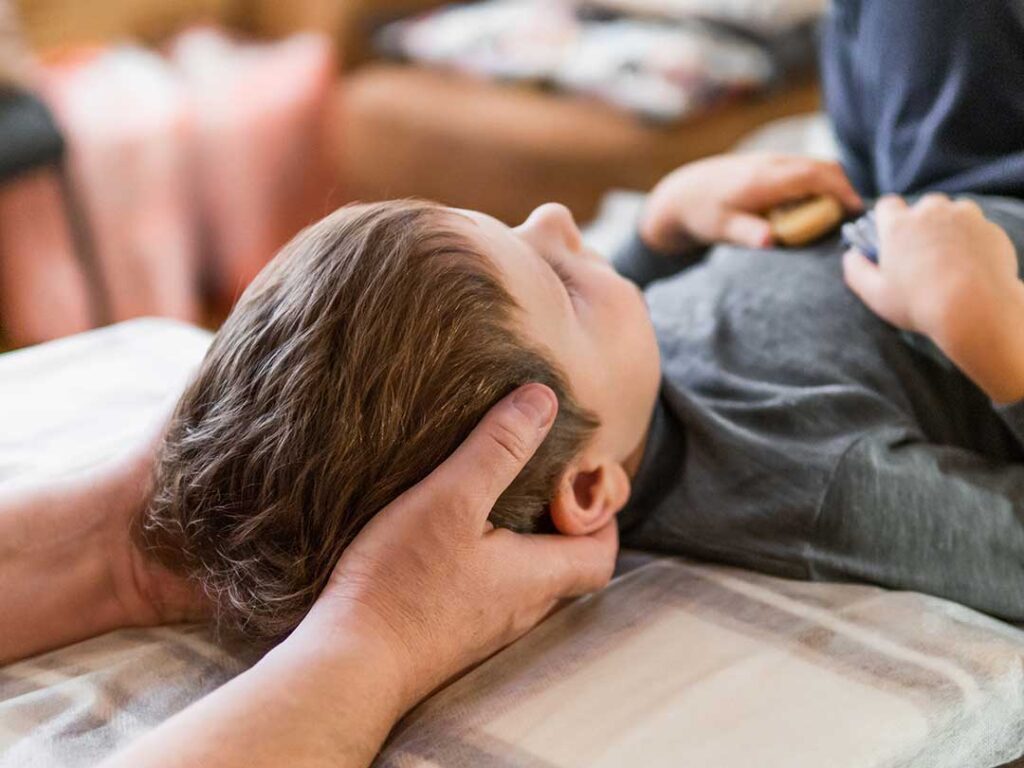
Why Do Tension Headaches Happen?
Tension headaches commonly occur due to tightness in the neck, shoulders, and upper back, often related to posture and daily habits. In Buffalo, NY, the combination of long indoor winters, work-from-home setups, and time spent shoveling or de-icing can contribute to muscle strain. Most tension headaches do not indicate serious health concerns and can often be improved with simple stretching routines that target key muscle groups.
Which Muscles Are Involved in Tension Headaches?
The underlying muscles most linked with head pain from tension are the suboccipital muscles (at the base of the skull), the upper trapezius and levator scapulae (running from the shoulder to the neck), and the sternocleidomastoid (the prominent neck muscle on each side). When these muscles become tense or shortened—sometimes triggered by sitting with shoulders hunched or head bent forward for long periods—they can contribute to dull, aching headaches.
What Stretching Techniques Relieve Headache Tension?
Gentle, consistent stretching can help decrease muscle tension buildup. Choose stretches that feel comfortable and avoid pushing into pain. Local residents should consider these routines, particularly during colder months when activity levels may drop:
Neck Side Stretch
Begin seated or standing upright.
- Bring your right ear towards your right shoulder. Use your right hand to gently apply slight pressure to your head (never pull).
- Hold for 20–30 seconds; you should feel a stretch along the left side of your neck.
- Repeat on the opposite side.
Performing this stretch daily can help counteract the effects of time spent at a desk or driving through Buffalo’s winter commutes.
Upper Trapezius and Shoulder Roll
Tension along the upper shoulders is a widespread trigger.
- Roll your shoulders in a circular motion, 10 times forward, then 10 times backward.
- Raise both shoulders up toward your ears, hold for a few seconds, then let them drop down fully. Repeat 5–10 times.
- Next, sit or stand upright and gently tilt your head toward one shoulder, keeping the opposite shoulder relaxed. Hold for 20–30 seconds per side.
Area residents often experience upper trapezius tightness from shoveling snow or carrying heavy bags throughout the city.
Chin Tuck Stretch
Forward head posture is a common trigger for tension headaches and neck discomfort, especially for those who look at screens or cook for extended stretches.
- Sit or stand with shoulders back, eyes looking straight ahead.
- Gently tuck your chin towards your chest, as if making a double chin.
- Hold for 5 seconds, then relax. Repeat 10 times.
This movement strengthens the small stabilizing muscles below the skull and relieves postural neck strain.
Chest (Pectoral) Stretch
Tight chest muscles can pull the shoulders inward, adding to headache-causing muscle patterns.
- Stand in a doorway, placing each forearm against the door frame.
- Step forward until a stretch is felt across the front of your chest and shoulders.
- Hold for 20–30 seconds, breathing deeply. Repeat 2–3 times.
During cold Buffalo winters, hunching into coats or sitting curled up on the couch can both reduce chest flexibility and contribute to tension headaches.
Can Stretching Be Enough to Get Rid of Headache Symptoms?
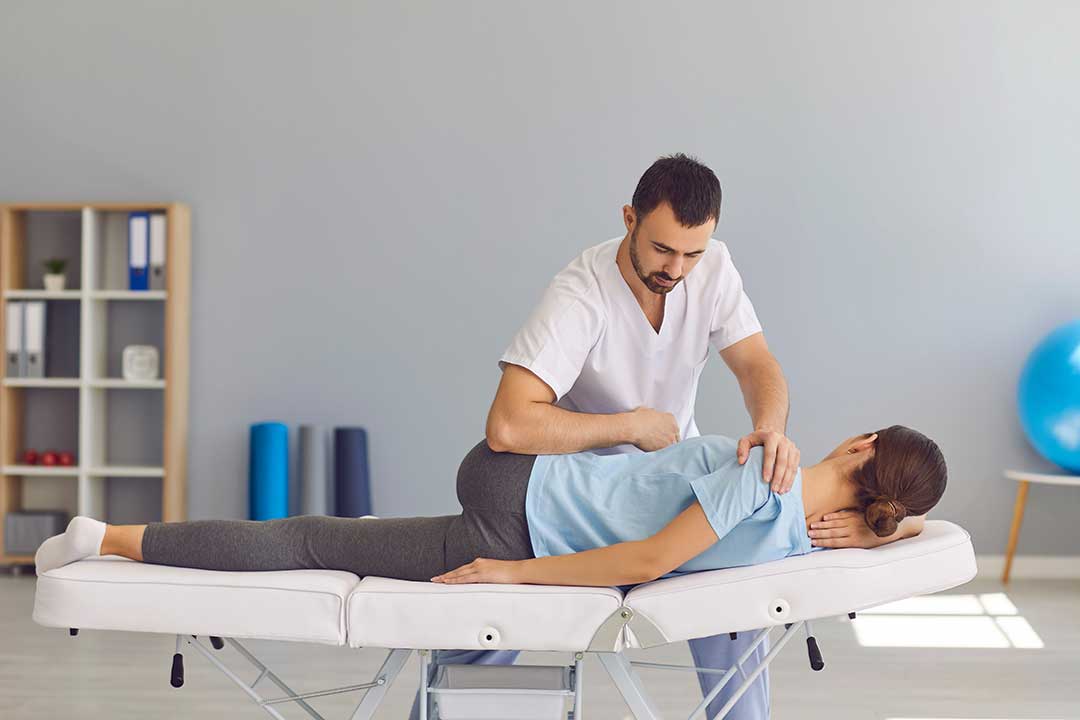
Stretching alone can significantly reduce frequency and intensity of tension headaches for many people, especially when combined with position changes and movement breaks. However, persistent or unusually severe headaches should always be discussed with a medical professional, as very rarely, head pain may have other causes requiring different care.
It is common for area residents to underestimate the impact of daily posture—such as staying bundled up at home or using phones for long periods indoors. Even short daily routines can make a difference, especially when incorporated into everyday habits rather than saved only for when discomfort emerges.
Are There Myths or Mistakes People in Buffalo Make About Headache Relief?
A few misunderstandings are common:
- Only stretching the neck — In reality, tension headache relief often depends on relaxing the entire upper back and chest region, not just the neck itself.
- Stretching aggressively — Headaches are best managed with gentle, gradual stretching. Stretching to the point of pain or using force (especially when cold muscles are involved) can worsen symptoms.
- Relying on stretching alone — While helpful, stretching is just one strategy. Ensuring good sleep, managing stress, and staying gently active (like walking indoors during cold spells) all help, especially in a city where outdoor movement is often limited by weather.
How Can Residents Keep Stretching Effective and Safe During Buffalo’s Winters?
Cool weather can make muscles more prone to tension. Warm up muscles with a hot shower, gentle indoor walking, or even household chores before stretching.
- Always stretch in a warm room, out of drafts.
- Avoid deep stretching immediately after coming in from the cold.
- Consistency is key—short, regular stretches help more than occasional longer sessions.
Buffalo residents living in older homes with less insulation may notice muscles stiffening quickly indoors. Layering up to stay warm, and using slow, careful movements, enhances both comfort and results.
When Should Residents Seek Further Help for Headaches?
While most tension headaches in the city respond to home care, any of the following warrant timely medical guidance:
- Sudden, severe headache onset (the “worst headache ever”)
- Headaches after a fall or injury
- Any new vision changes, weakness, or confusion
These symptoms are rare, but prompt evaluation from a healthcare provider is advised to ensure safety.
